
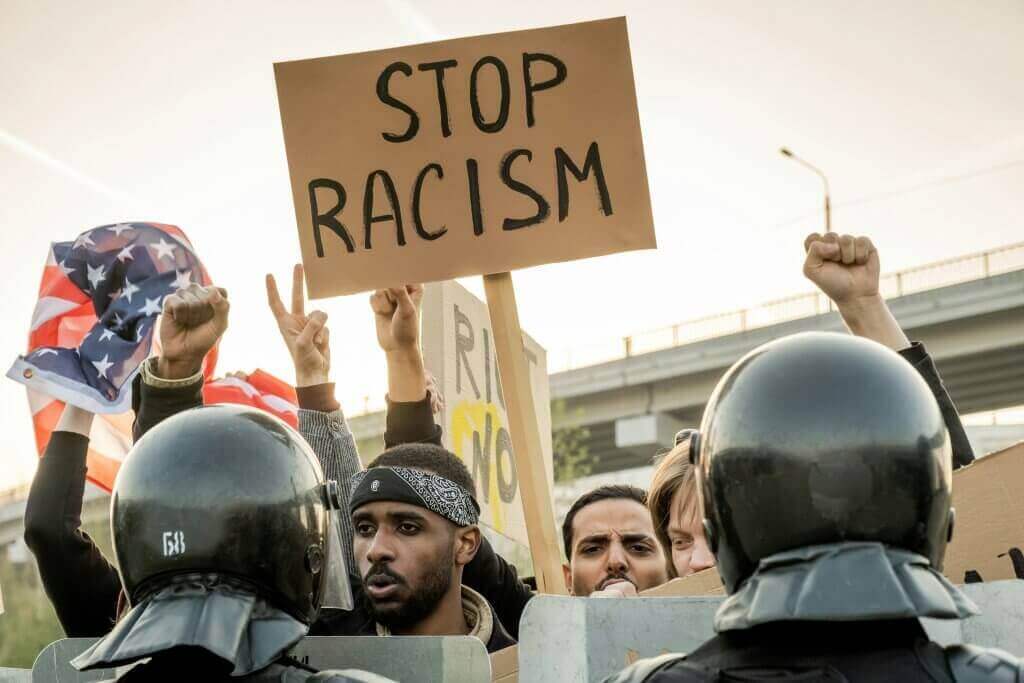
Racial discrimination can affect hiring, pay, promotions, job assignments, discipline, termination, and other employment decisions. Federal and New Jersey law prohibit employers from treating employees or job applicants differently because of race, ethnicity, color, or national origin.
NJ Employment Lawyers, LLC represents employees in Margate City, NJ who have experienced race-based discrimination, harassment, retaliation, or other unlawful treatment at work. We evaluate the circumstances surrounding the employer’s actions, identify evidence of discriminatory treatment, and pursue available remedies under state and federal employment laws.
Employment Discrimination Based on Race or National Origin
Employers cannot use race, ethnicity, color, or national origin as a basis for decisions involving hiring, termination, compensation, promotions, assignments, discipline, benefits, training opportunities, or other terms and conditions of employment.
Examples of conduct that may support a racial discrimination claim include:
- Paying an employee less because of race
- Passing over a qualified employee for promotion while advancing less-qualified employees of another race
- Applying disciplinary policies more harshly to employees of a particular racial group
- Terminating an employee based on racial stereotypes
- Assigning less desirable shifts, territories, clients, or duties because of race
- Retaliating against an employee who reports racial discrimination
- Allowing racial slurs, offensive jokes, or other conduct to create a racially hostile work environment
- Making employment decisions based on assumptions about an employee’s ethnicity, accent, ancestry, or cultural background
Discrimination is not always accompanied by an openly racist statement. Employers may offer performance, restructuring, attendance, or other business explanations for decisions that were actually influenced by race. Comparing how similarly situated employees were treated can therefore become an important part of evaluating a claim.
Federal and New Jersey Laws Prohibiting Race Discrimination
Employees in Margate City may have protections under both federal and New Jersey employment laws.
Title VII of the Civil Rights Act of 1964 prohibits covered employers from discriminating against employees and applicants because of race, color, religion, sex, or national origin. Title VII generally applies to employers with at least 15 employees.
Federal discrimination claims are generally subject to administrative requirements involving the Equal Employment Opportunity Commission (EEOC). NJ Employment Lawyers, LLC can evaluate whether an EEOC filing is appropriate and represent employees throughout the administrative and litigation process.
The New Jersey Law Against Discrimination (LAD) provides additional protections against workplace discrimination based on race, color, national origin, ancestry, and other protected characteristics. Employees may have the option to pursue claims under New Jersey law without first completing the federal EEOC process.
The appropriate legal strategy depends on the employer, the conduct involved, available evidence, applicable deadlines, and the remedies being sought.
How Racial Discrimination Can Affect Employment
Race discrimination may occur at virtually any stage of the employment relationship.
It can affect:
- Job advertisements and recruiting
- Interviews and hiring decisions
- Starting salaries
- Raises and bonuses
- Promotions
- Training opportunities
- Work assignments
- Client or customer assignments
- Performance evaluations
- Discipline
- Scheduling
- Transfers
- Layoffs
- Termination
- Severance decisions
Employers must make these decisions for legitimate, nondiscriminatory reasons. Race cannot lawfully be used as a factor in deciding which employees receive opportunities and which employees suffer adverse consequences.
Disparate Treatment Racial Discrimination
Disparate treatment occurs when an employer intentionally treats an employee or applicant differently because of race.
The discrimination may involve one significant employment decision or a continuing pattern of unequal treatment.
Examples may include:
- Promoting employees of one race while repeatedly passing over equally or better-qualified employees of another race
- Disciplining employees of color more severely than white employees who engaged in comparable conduct
- Subjecting only employees from certain racial groups to heightened monitoring or drug testing
- Giving preferred schedules, assignments, accounts, or territories to employees based on race
- Using racial stereotypes when evaluating an employee’s professionalism, communication, leadership ability, or performance
- Applying grooming standards in a way that targets natural Black hairstyles, including braids, locs, or afros
- Terminating an employee for conduct that resulted in little or no discipline when committed by employees of another race
A discrimination case often requires examining more than the employer’s stated reason. Personnel records, disciplinary histories, performance evaluations, emails, internal messages, witness testimony, and comparisons between employees may help show whether the stated explanation is consistent with how the employer actually operated.
Disparate Impact Racial Discrimination
Race discrimination can also result from a policy that does not expressly mention race.
Disparate impact occurs when a facially neutral employment practice disproportionately harms members of a protected group. Unlike intentional disparate treatment claims, the focus may be on the consequences of the policy rather than evidence that a manager deliberately intended to discriminate.
Potential examples include:
- Broad criminal-background screening policies that disproportionately exclude Black or Latino applicants without sufficient connection to the position
- Hiring requirements that disproportionately exclude members of a racial or ethnic group without a legitimate employment justification
- Workplace rules that create substantial disadvantages for one protected group
- Language policies that disproportionately affect employees of particular national origins without adequate business justification
- Testing or screening practices that create unnecessary barriers unrelated to successful job performance
These cases can require a close review of the employer’s policies, business justification, workforce data, hiring practices, and available alternatives.
Racial Harassment and Hostile Work Environments
Racial discrimination is not limited to decisions involving pay, promotions, or termination. Race-based harassment may also violate employment discrimination laws when the conduct is sufficiently serious under the applicable legal standard.
Examples may include:
- Racial slurs
- Racist jokes
- Offensive images or messages
- Derogatory comments about skin color
- Mocking an employee’s accent or cultural background
- Racial stereotypes
- Displaying racist symbols
- Repeated comments about an employee’s race or ethnicity
- Threats or intimidation connected to race
- Coworkers or supervisors repeatedly using race-based nicknames
Harassment may come from supervisors, managers, coworkers, or, depending on the circumstances, customers and other people encountered through the workplace.
Employers may face liability when management knew or should have known about unlawful harassment and failed to respond appropriately.
Racial Discrimination Can Be Subtle
Many workplace discrimination cases do not involve an employer openly admitting that race influenced a decision.
Instead, employees may notice patterns such as:
- Different disciplinary standards for employees of different races
- Sudden criticism after an employee complains about discrimination
- Qualified employees repeatedly being denied advancement
- Employees of one race receiving the best accounts, assignments, or opportunities
- Changes in an employer’s explanation for a termination
- Unequal enforcement of workplace rules
- Negative evaluations that conflict with an employee’s prior performance history
- Managers making coded or stereotypical comments
- A lack of diversity in management despite a diverse workforce
No single fact automatically proves discrimination. The surrounding circumstances and the employer’s overall pattern of decision-making may be important when determining whether race played a role.
Retaliation After Reporting Racial Discrimination
Employees have the right to raise good-faith concerns about discrimination without being punished for doing so.
Potential retaliation may include:
- Termination
- Demotion
- Reduced hours
- Loss of responsibilities
- Undesirable assignments
- Increased scrutiny
- Unwarranted discipline
- Exclusion from meetings or projects
- Negative performance evaluations
- Denial of promotions
- Transfers to less desirable positions
Retaliation can potentially support a separate legal claim even when the employer disputes the employee’s original discrimination complaint.
Employees who report racial discrimination should preserve records showing when the complaint was made and what happened afterward. The timing and sequence of events can be important evidence.
Evidence in a Racial Discrimination Case
Employment discrimination is often proven through documents, testimony, comparisons, and circumstantial evidence rather than an employer’s direct admission.
Relevant evidence may include:
- Emails
- Text messages
- Workplace chat messages
- Written complaints
- Human resources communications
- Performance evaluations
- Disciplinary notices
- Personnel records
- Pay records
- Promotion records
- Job descriptions
- Employer policies
- Witness statements
- Notes documenting discriminatory incidents
- Records showing how comparable employees were treated
Employees should generally preserve existing evidence relating to the discrimination and avoid deleting communications that could later help establish what occurred.
Do You Have a Racial Discrimination Claim?
Whether a worker has a viable claim depends on the specific facts.
Important questions may include:
- Did the employee experience an adverse employment decision or discriminatory harassment?
- Was race, color, ethnicity, ancestry, or national origin connected to the employer’s conduct?
- Were employees of another race treated differently under similar circumstances?
- Did managers make comments suggesting racial bias?
- Did the employer depart from its normal policies or procedures?
- Does the employer’s explanation match the documents and timeline?
- Did treatment change after the employee reported discrimination?
- Is there evidence of similar conduct involving other employees?
Employees do not have to belong to a particular racial minority to be protected from race discrimination. Employment discrimination laws prohibit unlawful race-based treatment regardless of the employee’s race.
Potential Compensation in Racial Discrimination Cases
Available remedies depend on the law involved and the facts of the case. A successful employee may potentially seek compensation or other relief that includes:
- Back pay
- Front pay
- Lost bonuses
- Lost employment benefits
- Compensation for emotional distress
- Reinstatement when appropriate
- Attorney’s fees and litigation costs
- Punitive damages when legally available and supported by the employer’s conduct
The value and available remedies in any particular case depend on the employee’s losses, the employer’s conduct, applicable law, and the evidence available to prove the claim.
How NJ Employment Lawyers, LLC Handles Race Discrimination Claims
A racial discrimination claim requires careful analysis of what occurred before, during, and after the challenged employment decision.
NJ Employment Lawyers, LLC may review:
- The employee’s work and performance history
- Communications involving supervisors and human resources
- Promotion and compensation records
- Disciplinary records
- Employer policies
- Relevant workplace complaints
- Treatment of similarly situated employees
- Witness information
- The employer’s stated explanation for its actions
- The timing between protected complaints and later employment decisions
Depending on the facts, the firm may pursue a negotiated resolution, administrative claim, or litigation in state or federal court.
Consult a Racial Discrimination Lawyer Representing Margate City Employees
Employees in Margate City who believe race influenced a hiring decision, promotion, pay decision, disciplinary action, termination, or another workplace decision should understand the legal protections available to them.
NJ Employment Lawyers, LLC represents employees facing race-based workplace discrimination. Our attorneys examine the employer’s actions, review available records, evaluate comparable employee treatment, and determine what legal claims and remedies may be available.
If you believe you were treated differently because of your race, ethnicity, color, ancestry, or national origin, Contact NJ Employment Lawyers, LLC to discuss your circumstances and legal options.


