
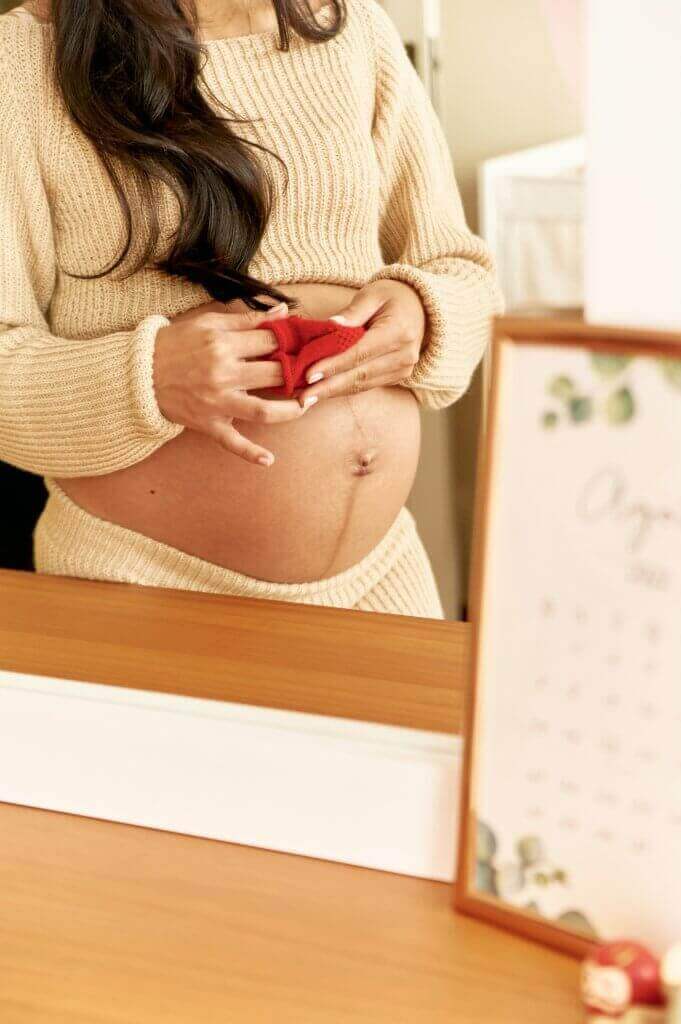
Pregnancy discrimination can affect hiring, job assignments, promotions, compensation, and continued employment. Workers in Pleasantville, NJ, are protected under New Jersey and federal laws that prohibit employers from treating employees unfairly because of pregnancy, childbirth, or related medical conditions.
NJ Employment Lawyers, LLC represents employees in Pleasantville who have experienced pregnancy discrimination, been denied reasonable accommodations, or faced retaliation for exercising their workplace rights. Our attorneys help workers understand their legal options and pursue claims against employers that violate employment discrimination laws.
Employment Laws Protecting Pregnant Workers in Pleasantville, NJ
Several state and federal laws establish protections for pregnant employees and job applicants.
- Pregnancy Discrimination Act (PDA): Prohibits covered employers from discriminating based on pregnancy, childbirth, or related medical conditions. Pregnant employees must receive treatment consistent with the law’s equal employment protections.
- New Jersey Law Against Discrimination (LAD): Prohibits pregnancy-related discrimination, harassment, and retaliation. It also requires reasonable pregnancy accommodations unless the employer can establish undue hardship.
- Pregnant Workers Fairness Act (PWFA): Requires covered employers to provide reasonable accommodations for known pregnancy-related limitations, unless doing so would create an undue hardship.
- Family and Medical Leave Act (FMLA): Provides eligible employees of covered employers with up to 12 weeks of job-protected leave for qualifying medical and family reasons, including pregnancy-related incapacity, childbirth, and bonding with a newborn.
- Americans with Disabilities Act (ADA): Protects employees with qualifying pregnancy-related disabilities and may require employers to provide reasonable accommodations.
These laws apply differently depending on employer size, employee eligibility, and the circumstances of the claim. New Jersey law may provide protections beyond those available under federal statutes.
Employer Responsibilities Under Pregnancy Discrimination Laws
Employers in Pleasantville must comply with applicable workplace protections throughout pregnancy, childbirth, and recovery.
Prohibition Against Discriminatory Employment Decisions
Employers cannot use pregnancy as a reason to reject qualified applicants, terminate employees, reduce compensation, deny promotions, or remove workers from assignments. Decisions must be based on lawful employment considerations rather than assumptions about a pregnant employee’s ability, attendance, or future availability.
Reasonable Workplace Accommodations
Employers must evaluate accommodation requests under applicable state and federal laws. Depending on the employee’s circumstances, reasonable accommodations may include modified schedules, additional breaks, assistance with physical tasks, or temporary adjustments to job responsibilities.
Protection Against Forced Medical Leave
An employer generally cannot require an employee to take pregnancy-related leave when a reasonable accommodation would allow the employee to continue working. Employers must evaluate actual workplace limitations rather than assume pregnancy makes an employee unable to perform the job.
Fair Treatment During Medical Appointments
Pregnancy-related medical appointments may qualify for accommodations, protected medical leave, or other legally protected absences. Employers cannot unlawfully penalize employees for using these protections.
Protection From Retaliation
Employees who request pregnancy accommodations, report discrimination, or exercise protected leave rights cannot lawfully be punished for those activities.
Common Examples of Pregnancy Discrimination in the Workplace
Pregnancy discrimination may involve a single employment decision or repeated treatment that interferes with an employee’s ability to work.
Examples include:
- Withdrawing a job offer after learning an applicant is pregnant.
- Reducing an employee’s hours, wages, or responsibilities following a pregnancy announcement.
- Refusing to consider a pregnant employee for promotion or training because of anticipated maternity leave.
- Denying reasonable lifting restrictions, additional breaks, or schedule adjustments without a lawful basis.
- Requiring a pregnant employee to take unpaid leave when an available reasonable accommodation would allow continued employment.
- Applying stricter attendance or medical documentation requirements to pregnant workers than the law permits.
- Removing an employee from important projects based on assumptions about pregnancy.
- Harassing an employee through repeated offensive comments about pregnancy or childbirth.
- Terminating an employee shortly after a pregnancy disclosure or protected accommodation request.
An employer may claim that a termination, demotion, or reduction in hours resulted from performance concerns or business restructuring. Employment records, supervisor communications, and the treatment of similarly situated coworkers can help determine whether those explanations conceal unlawful discrimination.
Reasonable Accommodations for Pregnant Employees
Pregnant workers in Pleasantville may need workplace adjustments because of physical limitations, medical appointments, or pregnancy-related health conditions.
Under the New Jersey LAD and federal PWFA, covered employers must provide qualifying reasonable accommodations unless they can demonstrate undue hardship.
Possible accommodations include:
- Modified physical duties: Assistance with heavy lifting, temporary changes to strenuous tasks, or reassignment to less physically demanding work.
- Additional breaks: More frequent restroom, hydration, food, or rest breaks.
- Schedule adjustments: Modified shifts, reduced hours, flexible scheduling, or time for prenatal medical appointments.
- Workstation modifications: Providing seating, adjusting equipment, or changing work arrangements to reduce physical strain.
- Temporary reassignment: Moving an employee to suitable alternative duties when necessary and reasonable.
- Remote work: Allowing temporary remote or hybrid arrangements when appropriate to the position and accommodation needs.
An employee does not necessarily have to establish a disability under the ADA to qualify for accommodations under the PWFA or New Jersey pregnancy accommodation protections.
Employers should address accommodation requests promptly and evaluate reasonable alternatives when a particular adjustment cannot be provided. A refusal without adequate consideration may support a discrimination or failure-to-accommodate claim.
Pregnancy Complications and Disability Discrimination Protections
Although pregnancy itself is not classified as a disability under the federal ADA, certain pregnancy-related medical conditions may qualify.
Examples include preeclampsia, gestational diabetes, pregnancy-related hypertension, and other medical complications that substantially limit major life activities.
When a pregnancy-related condition qualifies as a disability, an employer covered by the ADA must consider reasonable accommodations through an interactive process. Potential adjustments include modified duties, temporary scheduling changes, medical leave, or other workplace modifications.
New Jersey’s LAD and the federal PWFA may provide additional accommodation rights even when a medical condition does not satisfy the ADA’s definition of disability.
Employers cannot automatically deny accommodations simply because a pregnancy-related limitation is temporary. The legal analysis must consider the employee’s condition, job responsibilities, and applicable accommodation requirements.
Maternity Leave, Job Protection, and Return-to-Work Rights
Employees in Pleasantville may qualify for pregnancy-related medical leave, childbirth recovery leave, or family bonding leave through federal and New Jersey programs.
Federal Family and Medical Leave Act (FMLA)
Eligible employees may receive up to 12 weeks of unpaid, job-protected leave in a 12-month period. FMLA leave may cover prenatal care, pregnancy-related medical incapacity, recovery after childbirth, and bonding with a newborn.
To qualify under the usual private-sector FMLA rules, an employee generally must have worked for a covered employer for at least 12 months, completed 1,250 hours of service during the preceding 12 months, and worked at a location meeting the law’s 50-employees-within-75-miles requirement.
New Jersey Family Leave Act (NJFLA)
The NJFLA provides eligible employees with up to 12 weeks of job-protected family leave in a 24-month period, including leave to bond with a newborn. It generally does not cover the employee’s own pregnancy-related medical incapacity.
Under expanded requirements effective July 17, 2026, the NJFLA generally covers employers with at least 15 employees worldwide, as well as state and local government agencies. Eligible employees generally must have worked for the employer for at least three months and completed at least 250 hours during the preceding 12 months.
New Jersey Temporary Disability and Family Leave Insurance
Eligible workers may also receive wage-replacement benefits through New Jersey Temporary Disability Insurance or Family Leave Insurance. Effective July 17, 2026, additional job-restoration protections apply to qualifying employees receiving these benefits, including workers who may not otherwise qualify for NJFLA protection.
Returning to Work After Leave
Employees taking legally protected leave generally have a right to return to their previous position or a legally equivalent position, subject to applicable statutory conditions and exceptions.
Employers cannot lawfully use protected leave as a reason to reduce an employee’s pay, eliminate advancement opportunities, or impose discriminatory return-to-work requirements.
Pregnancy Discrimination and Retaliation After Maternity Leave
Unlawful treatment may continue after an employee returns from maternity leave.
A worker may have grounds for a legal claim if an employer:
- Refuses reinstatement after qualifying protected leave.
- Reassigns the employee to a lower-paying or less responsible position for an unlawful reason.
- Eliminates previously available promotions or advancement opportunities because of pregnancy or protected leave.
- Issues unjustified disciplinary actions connected to legally protected absences.
- Reduces scheduled hours in retaliation for requesting leave or accommodations.
- Terminates the employee because of pregnancy, childbirth, or the use of protected employment rights.
A legitimate business restructuring or reduction in force is not automatically unlawful simply because it affects a pregnant employee. However, selecting workers for termination because of pregnancy or protected leave may violate employment discrimination laws.
What to Do if You Experience Pregnancy Discrimination in Pleasantville
Employees who believe their rights have been violated should preserve available evidence and evaluate their reporting options.
Important steps include:
- Document discriminatory conduct. Record relevant dates, supervisor statements, changes in assignments, denied accommodations, and employment decisions.
- Preserve employment records. Keep copies of relevant emails, text messages, performance evaluations, accommodation requests, and leave communications that you may lawfully retain.
- Submit concerns through appropriate workplace channels. Follow applicable reporting procedures and keep records of complaints made to management or human resources.
- Maintain medical and accommodation documentation. Preserve relevant healthcare recommendations, leave requests, and employer responses.
- Consult an employment attorney. Legal counsel can assess whether the conduct violates state or federal law and identify available filing procedures.
Pregnancy discrimination claims have important filing deadlines. Depending on the claim, employees may have 180 days to file with the New Jersey Division on Civil Rights, generally 300 days to file a qualifying federal discrimination charge with the Equal Employment Opportunity Commission, or two years to pursue certain claims directly in New Jersey Superior Court.
Different deadlines and procedural requirements may apply to FMLA and other employment claims. Internal workplace complaints generally do not automatically extend statutory filing deadlines.
Compensation and Legal Remedies for Pregnancy Discrimination
Employees who establish unlawful pregnancy discrimination or retaliation may qualify for legal remedies based on the applicable law and the harm suffered.
Potential remedies include:
- Back pay for lost wages and compensation.
- Front pay for qualifying future wage losses.
- Reinstatement to a former position when appropriate.
- Recovery of lost employment benefits.
- Compensation for emotional distress where legally available.
- Punitive damages in qualifying cases.
- Attorney’s fees and litigation costs where authorized.
- Court orders requiring employers to correct unlawful employment practices.
The remedies available depend on the specific legal violations, supporting evidence, and applicable statutory limitations.
Pregnancy Discrimination Legal Representation in Pleasantville, NJ
NJ Employment Lawyers, LLC provides legal representation to employees in Pleasantville who have experienced discrimination related to pregnancy, childbirth, medical complications, or maternity leave.
Our attorneys handle claims involving the Pregnancy Discrimination Act, Pregnant Workers Fairness Act, Americans with Disabilities Act, Family and Medical Leave Act, and New Jersey Law Against Discrimination.
We assist employees with investigating discriminatory conduct, reviewing employment records, evaluating accommodation and leave violations, negotiating settlements, and pursuing litigation when warranted.
If your employer has denied reasonable accommodations, forced you onto leave, retaliated against you, or terminated your employment because of pregnancy, legal action may be available.
To discuss your circumstances and legal options, contact NJ Employment Lawyers, LLC to schedule a confidential consultation.


