
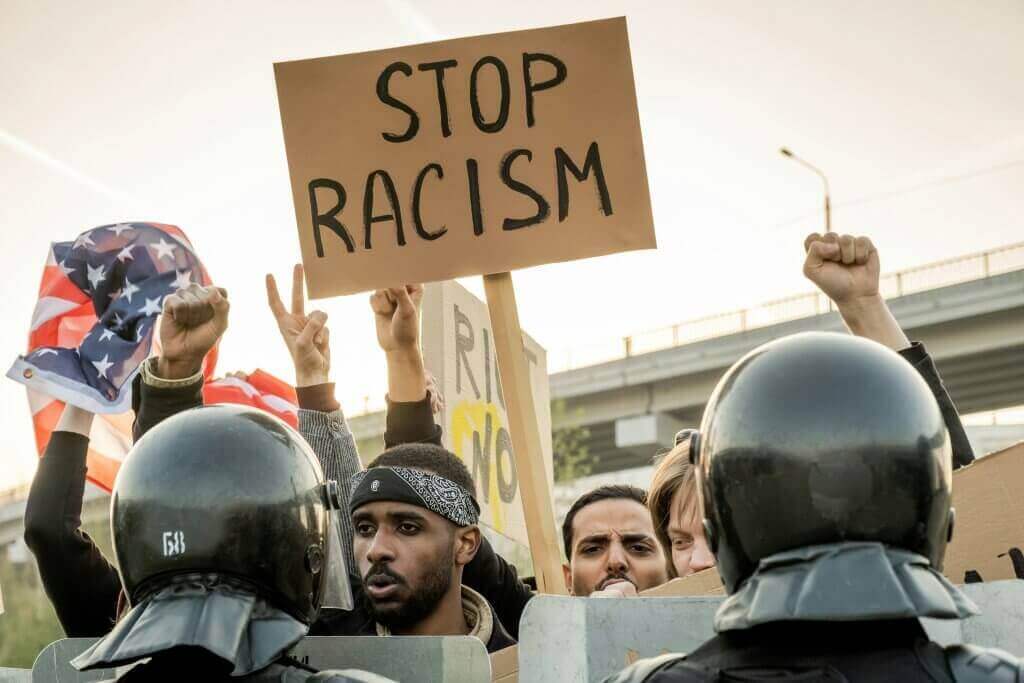
Racial discrimination can affect an employee’s pay, career advancement, working conditions, and continued employment. Federal and New Jersey laws prohibit employers from making employment decisions based on race, skin color, ethnicity, ancestry, or national origin. Employees who experience discriminatory treatment may have grounds to pursue compensation and other legal remedies.
NJ Employment Lawyers, LLC represents employees in Pleasantville, NJ, who have experienced racial discrimination, harassment, or retaliation at work. Our attorneys investigate discriminatory employment practices, evaluate evidence, and pursue claims under the New Jersey Law Against Discrimination (NJLAD) and applicable federal laws.
Whether an employer denied you a promotion, paid you less than similarly situated coworkers, subjected you to racial harassment, or terminated your employment for discriminatory reasons, our legal team can evaluate your circumstances and explain your options.
What Constitutes Racial Discrimination in the Workplace?
Workplace racial discrimination occurs when an employer treats an employee or job applicant unfavorably because of race, color, or related protected characteristics. Discrimination can involve direct employment decisions, workplace policies, or patterns of unequal treatment.
Employees in Pleasantville may experience racial discrimination through:
- Discriminatory hiring practices: Rejecting qualified applicants because of race, ethnicity, or assumptions based on their names or backgrounds.
- Unequal compensation: Paying employees less than coworkers performing substantially similar work because of their race.
- Denied promotions: Selecting less-qualified employees for advancement while repeatedly overlooking qualified workers from particular racial groups.
- Discriminatory discipline: Issuing harsher warnings, suspensions, or other penalties to employees of one race for conduct treated more leniently when committed by others.
- Unfair job assignments: Excluding employees from important projects, training, customer-facing positions, or advancement opportunities because of racial stereotypes.
- Racial harassment: Allowing slurs, offensive remarks, threats, or other race-based conduct to create a hostile work environment.
- Discriminatory termination: Firing, laying off, or forcing an employee out because of race while retaining similarly situated employees of other races.
- Retaliation: Punishing employees for reporting racial discrimination, participating in an investigation, or exercising legally protected rights.
Discrimination does not always involve explicit racial statements. Employers may use inconsistent performance standards, selective disciplinary practices, or unsupported business explanations to conceal discriminatory treatment.
Our attorneys examine the circumstances surrounding employment decisions to determine whether race played an unlawful role.
Federal and New Jersey Laws Prohibiting Racial Discrimination
Employees in Pleasantville are protected by federal and state anti-discrimination laws. These laws prohibit discriminatory employment decisions and provide legal remedies when employers violate protected workplace rights.
Title VII of the Civil Rights Act of 1964
Title VII prohibits employment discrimination based on race, color, religion, sex, and national origin. It generally applies to employers with 15 or more employees.
Under Title VII, covered employers cannot use race as a basis for hiring, compensation, promotion, job assignments, discipline, or termination. The law also prohibits racial harassment and retaliation against employees who report discrimination or participate in protected proceedings.
Employees generally must file a charge with the Equal Employment Opportunity Commission (EEOC) before bringing a Title VII lawsuit. NJ Employment Lawyers, LLC assists clients with preparing discrimination charges, presenting supporting evidence, and pursuing litigation when appropriate.
New Jersey Law Against Discrimination (NJLAD)
The NJLAD provides broad protections against racial discrimination in employment. Unlike Title VII, its employment protections generally apply to New Jersey employers regardless of workforce size.
The law prohibits discrimination based on actual or perceived race, color, national origin, nationality, and ancestry. It also protects employees against discriminatory harassment and retaliation.
Employees pursuing NJLAD claims may file complaints with the New Jersey Division on Civil Rights or bring qualifying lawsuits directly in New Jersey Superior Court without first filing an administrative charge.
Our attorneys evaluate which legal claims and procedures apply to each client’s circumstances.
Understanding Disparate Treatment and Disparate Impact
Racial discrimination claims commonly involve two legal theories: disparate treatment and disparate impact. Understanding the difference helps determine what evidence is necessary and how an employer’s conduct may violate the law.
Disparate Treatment: Intentional Racial Discrimination
Disparate treatment occurs when an employer intentionally treats someone less favorably because of race or another protected characteristic.
For example, an employer may promote a white employee while denying advancement to a more qualified Black employee because of racial bias. Another example involves supervisors who discipline employees of color more severely than white coworkers who commit comparable workplace violations.
Disparate treatment may also involve unequal access to training, discriminatory hiring decisions, or work assignments influenced by stereotypes.
Direct evidence of discriminatory intent is not always available. Employees may establish discrimination through circumstantial evidence, including inconsistent explanations, unequal enforcement of policies, suspicious timing, or patterns of favorable treatment toward similarly situated coworkers.
NJ Employment Lawyers, LLC examines employment records, management decisions, and workplace practices to identify evidence of intentional discrimination affecting Pleasantville employees.
Disparate Impact: Policies That Disproportionately Harm Certain Racial Groups
Disparate impact discrimination involves employment practices that appear neutral but disproportionately exclude or disadvantage people based on race.
For example, an employer may impose broad criminal-background restrictions that disproportionately exclude applicants from certain racial groups without adequately establishing that the restrictions are job-related and consistent with business necessity.
Other potentially discriminatory practices include unnecessary employment screening requirements or selection procedures that disproportionately disadvantage protected groups.
Unlike disparate treatment, disparate impact claims do not require proof that an employer intended to discriminate.
These claims generally require evidence identifying a specific employment practice and demonstrating its discriminatory effects. Employers may defend challenged practices by establishing that they are job-related and consistent with business necessity. Depending on the claim, employees may also challenge the employer’s refusal to adopt an available, less discriminatory alternative.
Our attorneys assess employment policies, hiring criteria, workforce data, and the employer’s stated business justifications when evaluating disparate impact claims.
Racial Harassment and Hostile Work Environments
Racial discrimination is not limited to hiring, pay, or termination. Employees may also experience unlawful harassment because of their race, ethnicity, or skin color.
Examples include repeated racial slurs, offensive jokes, derogatory comments about someone’s heritage, racially threatening conduct, or the display of offensive racial symbols.
Under applicable law, harassment may create an unlawful hostile work environment when it is sufficiently severe or pervasive to alter the conditions of employment. A single particularly serious incident may be sufficient in certain circumstances.
Harassment may come from supervisors, coworkers, or even customers. Employer responsibility depends on factors including who committed the misconduct, whether management knew or should have known about it, and whether appropriate corrective action was taken.
Employees in Pleasantville who experience racial harassment should document incidents, identify witnesses, and preserve relevant communications.
NJ Employment Lawyers, LLC evaluates whether workplace harassment meets the legal requirements for a discrimination claim and whether the employer failed to address unlawful conduct.
Discrimination Based on Natural Hair and Racially Associated Hairstyles
New Jersey law protects employees against race-based discrimination involving natural hair and hairstyles historically associated with race.
Employers cannot impose discriminatory grooming standards that target protected racial characteristics, including hairstyles such as locs, braids, twists, and afros.
For example, refusing to hire an otherwise qualified employee because they wear locs, or requiring a Black employee to change a natural hairstyle while allowing comparable hairstyles for other employees, may violate the NJLAD.
Employers may establish legitimate workplace appearance and safety requirements, but those requirements cannot unlawfully discriminate based on race.
Our attorneys review grooming policies, disciplinary decisions, and the circumstances surrounding hairstyle-related employment disputes to determine whether an employee’s rights were violated.
Retaliation for Reporting Racial Discrimination Is Illegal
Federal and New Jersey laws prohibit employers from retaliating against employees who oppose unlawful racial discrimination, file complaints, participate in investigations, or exercise other protected rights.
Retaliation may occur when an employer terminates an employee after an HR complaint, reduces their working hours, transfers them to an unfavorable position, or suddenly issues unsupported disciplinary warnings.
A retaliation claim does not necessarily require the employee to prove that the original discrimination complaint was successful. A good-faith, reasonable complaint about conduct believed to be unlawful may qualify as protected activity.
To establish unlawful retaliation, employees generally must demonstrate that they engaged in protected activity, experienced retaliatory conduct, and that the employer’s actions were causally connected to the protected activity.
NJ Employment Lawyers, LLC investigates changes in working conditions, disciplinary actions, and termination decisions following discrimination complaints.
How Do You Prove Racial Discrimination in Pleasantville, NJ?
Establishing a racial discrimination claim requires evidence connecting unlawful discrimination to an employer’s actions or policies.
The specific legal requirements depend on the type of claim. In an individual disparate treatment case, relevant questions may include whether the employee was qualified for the position, experienced unfavorable treatment, and has evidence supporting an inference that race influenced the employer’s decision.
Our attorneys analyze personnel records, employment decisions, witness accounts, and other available evidence to determine whether an employer’s stated reasons are legitimate or potentially pretextual.
Comparing Employee Treatment
Evidence may show that employees of different races were treated differently under similar circumstances.
For example, a qualified employee of color might receive disciplinary warnings for conduct routinely overlooked when committed by white coworkers. Disparities involving promotions, performance reviews, compensation, or access to professional opportunities may also support a claim.
Comparisons are most useful when the employees’ job responsibilities, workplace circumstances, supervisors, and relevant conduct are sufficiently similar.
Reviewing Employment Records
Performance evaluations, disciplinary notices, salary records, promotion decisions, and written employment policies can help establish inconsistencies in an employer’s actions.
An employee who consistently received positive reviews before suddenly being terminated for alleged performance problems may have evidence warranting further investigation, particularly when the change follows racial harassment or a discrimination complaint.
Identifying Witnesses and Communications
Coworkers, supervisors, and former employees may have information about discriminatory statements, inconsistent workplace standards, or similar treatment involving other employees.
Emails, text messages, workplace communications, and records of complaints may also help demonstrate discriminatory intent or retaliation.
Examining the Employer’s Explanation
Employers often defend discrimination claims by citing performance issues, business restructuring, misconduct, or other legitimate employment reasons.
Our attorneys examine whether those explanations are supported by the evidence, have changed over time, or were applied inconsistently.
Employees should preserve records they can lawfully access and avoid taking confidential employer information without authorization.
Filing a Racial Discrimination Claim in New Jersey
Employees who experience racial discrimination may have several options for pursuing legal action. The appropriate procedure depends on the employer, the applicable laws, the conduct involved, and the employee’s objectives.
Filing an EEOC Charge
For many private-sector Title VII discrimination claims in New Jersey, employees generally have up to 300 days from the discriminatory act to file a charge with the EEOC.
A charge is ordinarily required before filing a Title VII lawsuit. Federal employees and some other categories of workers are subject to different procedures and deadlines.
Filing with the New Jersey Division on Civil Rights
Employees may file complaints under the NJLAD with the New Jersey Division on Civil Rights, generally within 180 days of the discriminatory conduct.
The agency may investigate the allegations and pursue resolution through its administrative procedures.
Filing in New Jersey Superior Court
Employees may generally file NJLAD discrimination lawsuits directly in New Jersey Superior Court within two years of the unlawful conduct, without first obtaining permission from the Division on Civil Rights.
Filing requirements, procedural elections, and limitations periods can affect the available legal options. Employees should seek legal guidance promptly rather than assume that an internal HR investigation extends the deadline for pursuing a claim.
NJ Employment Lawyers, LLC helps Pleasantville employees determine the appropriate filing procedures, prepare their cases, and meet applicable legal requirements.
Compensation Available in Racial Discrimination Cases
Employees who establish unlawful racial discrimination may be entitled to financial compensation and other remedies.
Depending on the applicable law and circumstances, recoverable relief may include back pay for lost earnings, front pay for future lost wages, compensation for lost employment benefits, and damages for emotional distress.
Courts may also award reinstatement, promotion, or other equitable relief intended to correct the consequences of unlawful employment decisions.
Punitive damages may be available when the applicable legal standards are satisfied. Attorney’s fees and litigation costs may also be recoverable under relevant statutes.
Compensation is not automatic. The remedies available depend on the claims established, the evidence of harm, the defendant, and the governing law.
Our attorneys evaluate the economic and personal consequences of discriminatory employment practices and pursue legally supported remedies through negotiations or litigation.
How NJ Employment Lawyers, LLC Handles Racial Discrimination Claims
NJ Employment Lawyers, LLC represents employees in Pleasantville and throughout New Jersey in disputes involving race-based workplace discrimination.
Our legal team begins by reviewing the employee’s account, identifying potentially unlawful conduct, and examining the available supporting evidence.
We evaluate employment documents, investigate discriminatory policies, identify relevant witnesses, and determine whether a claim may be supported under state or federal law.
When appropriate, we handle communications with employers and their attorneys, prepare administrative discrimination charges, negotiate settlements, and pursue litigation.
We also assess related legal issues, including retaliation, wrongful termination, discriminatory pay practices, and racial harassment.
Each claim requires an evaluation of its specific facts. Our goal is to establish the employer’s legal responsibility and pursue compensation or corrective relief supported by the evidence.
Consult a Racial Discrimination Lawyer for Pleasantville, NJ
Employees should not lose job opportunities, compensation, or career advancement because of racial discrimination. When an employer makes decisions based on race, color, or ethnicity, federal and New Jersey laws provide avenues for holding that employer accountable.
NJ Employment Lawyers, LLC provides legal representation to employees in Pleasantville, NJ, who have experienced discriminatory hiring decisions, unequal pay, denied promotions, racially hostile workplaces, retaliation, or unlawful termination.
Our attorneys review potential claims, explain filing requirements, evaluate available evidence, and determine the legal options for pursuing compensation.
If you believe an employer has discriminated against you because of your race, Contact NJ Employment Lawyers, LLC to schedule a confidential consultation and discuss your employment rights.


