
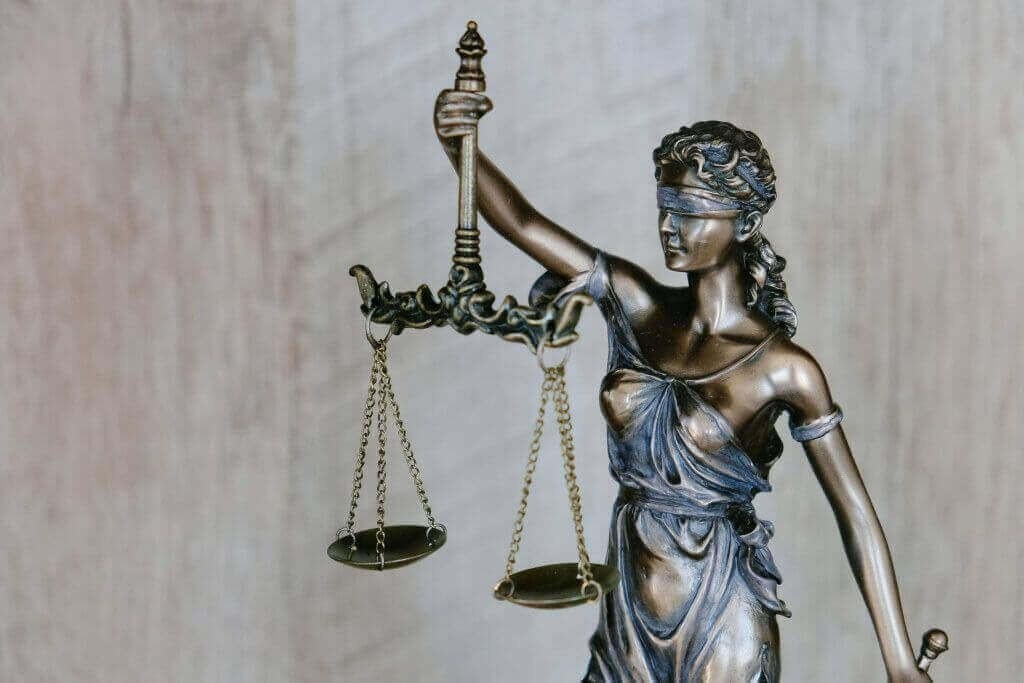
Gender-Based Wage Discrimination in Hammonton, NJ
Gender pay discrimination remains a serious issue for workers in Hammonton, NJ. Despite protections under the New Jersey Law Against Discrimination, the Equal Pay Act of 1963, and Title VII of the Civil Rights Act of 1964, many women continue to earn less than men performing substantially similar work.
The Gender Pay Gap
National data shows women earn approximately 80–83 cents for every dollar earned by men. Over time, this gap can result in significant lost income, reduced retirement savings, and fewer financial opportunities. While younger women often earn closer to what male coworkers make early in their careers, disparities frequently increase with age and advancement.
Pay inequity also affects industries where women make up most of the workforce. Even in fields such as childcare, healthcare support, and education, women may still receive lower wages or fewer compensation opportunities than male employees.
Promotion Inequality and Career Advancement
Unequal treatment is not limited to wages. Women are often promoted at slower rates than men, even when they have comparable or greater qualifications. Research shows women may need additional years of experience before receiving leadership opportunities or management roles.
Delayed promotions can reduce long-term earnings, bonuses, retirement contributions, and access to executive positions. When employers consistently favor male employees for advancement, the practice may violate state and federal anti-discrimination laws.
Caregiving Responsibilities and Workplace Bias
Many women also face workplace penalties related to caregiving responsibilities. Employees who reduce hours, request flexibility, or take leave to care for children or family members are sometimes viewed as less committed to their jobs. These assumptions can affect promotions, evaluations, scheduling, and compensation.
Employers cannot lawfully deny opportunities or reduce pay based on gender stereotypes or caregiving-related bias. Inflexible workplace policies and unequal treatment tied to family responsibilities may support a discrimination claim under New Jersey or federal law.
Your Rights Under New Jersey and Federal Law
Employees in Hammonton have the right to equal pay and fair advancement opportunities regardless of gender. Employers cannot legally base compensation, bonuses, promotions, or other employment decisions on sex-based bias.
Workers who experience wage discrimination or discriminatory promotion practices may be entitled to legal remedies, including:
- Back pay for lost wages
- Compensation for missed raises or promotions
- Pay adjustments moving forward
- Attorneys’ fees and other damages permitted by law
Your Rights Under the Equal Pay Act
The Equal Pay Act of 1963 prohibits employers from paying employees differently based on sex when they perform substantially equal work. The law focuses on the actual job duties performed—not job titles or department names.
Courts evaluate factors such as:
- Skill
- Effort
- Responsibility
- Working conditions
Employers cannot avoid liability by assigning different titles to employees performing the same work or separating workers into different departments.
The Equal Pay Act also allows employees to file claims directly in court without first filing a complaint with the Equal Employment Opportunity Commission (EEOC). This can help workers pursue compensation more quickly.
An employer also cannot solve unequal pay by lowering another employee’s wages. The law requires employers to correct discrimination by increasing the compensation of underpaid employees.
When Pay Differences May Be Legal
Not every pay difference violates the law. Employers can lawfully pay employees differently when the difference is based on legitimate, documented factors unrelated to gender or another protected characteristic. These may include:
- A formal seniority system
- A merit-based evaluation process
- Measurable productivity or output
- Other legitimate, non-discriminatory business reasons
To bring a successful Equal Pay Act claim, an employee must show they were paid less than an employee of the opposite sex who performed substantially equal work under similar working conditions.
Deadlines for Filing Wage Discrimination Claims
Employees in Hammonton who suspect gender-based pay discrimination should act promptly. Federal and state laws impose strict filing deadlines, and waiting too long can limit or eliminate the ability to recover compensation.
Early legal review can help preserve evidence, identify unlawful pay practices, and determine whether back pay or other damages may be available. Employment records, pay history, performance evaluations, and internal compensation policies often play a central role in these claims.
The History of Unequal Pay Practices
Pay discrimination has long been tied to workplace stereotypes about gender roles. Employers historically justified lower wages for women based on assumptions that women were not primary earners or would eventually leave the workforce for caregiving responsibilities.
The Equal Pay Act originally excluded many professional positions. Congress expanded the law’s reach in 1972 through the Educational Amendments, bringing more workers under federal protection. In 1979, enforcement authority shifted to the Equal Employment Opportunity Commission (EEOC), increasing oversight and enforcement efforts nationwide.
Although laws have changed, unequal pay practices continue in many industries, including professional, healthcare, educational, retail, and service-sector jobs.
Legal Protection Against Pay Discrimination in Hammonton, NJ
Employees in Hammonton may have legal claims if they are paid less than coworkers performing substantially similar work because of sex or another protected characteristic.
NJ Employment Lawyers, LLC represents workers across New Jersey in wage discrimination and unequal pay matters. Claims may arise under both federal law and the New Jersey Law Against Discrimination (LAD), depending on the circumstances.
New Jersey’s Diane B. Allen Equal Pay Act
New Jersey strengthened employee protections through the Diane B. Allen Equal Pay Act, which took effect on July 1, 2018. The law expanded the state’s anti-discrimination protections beyond gender and created some of the strongest equal pay protections in the country.
The law prohibits wage disparities tied to protected characteristics including:
- Gender
- Race
- Age
- National origin
- Sexual orientation
- Pregnancy
- Disability
- Other protected traits under New Jersey law
Under the statute, employers must prove any pay difference is based on legitimate, non-discriminatory factors rather than bias, stereotypes, or policies that disproportionately affect protected groups.
Acceptable explanations may include:
- Seniority systems
- Merit-based compensation systems
- Objective productivity measurements
Subjective assumptions or inconsistent compensation practices may expose employers to liability.
Important Equal Pay Protections Under New Jersey Law
Protection for Multiple Protected Classes
Unlike federal law, New Jersey’s equal pay protections apply to all protected categories covered by the Law Against Discrimination—not only gender discrimination.
Job Duties Matter More Than Job Titles
Courts examine the actual work employees perform. Employers cannot avoid liability simply by assigning different job titles to workers doing substantially similar work requiring comparable skill, effort, and responsibility.
Six Years of Back Pay
New Jersey law allows employees to recover up to six years of unpaid wages caused by discriminatory compensation practices. This extended recovery period can significantly increase damages in long-term pay discrimination cases.
Ongoing Violation Standard
Each discriminatory paycheck may count as a separate legal violation. As long as unequal pay continues, employees may still be able to pursue claims under state law.
Treble Damages
Courts may award up to three times the amount of lost compensation when employers violate equal pay laws or retaliate against employees who assert their rights.
Pay Transparency Protections
Employers cannot discipline, retaliate against, or silence workers for discussing compensation with coworkers or asking questions about wage disparities.
Investigating Equal Pay Violations in Hammonton
Equal pay cases often require detailed analysis of workplace practices, including:
- Job responsibilities
- Compensation structures
- Promotion histories
- Performance evaluations
- Internal wage policies
- Comparisons between similarly situated employees
Even employees with different titles may have valid claims if their day-to-day duties are substantially similar.
NJ Employment Lawyers, LLC represents employees throughout New Jersey in wage discrimination matters involving unequal pay, discriminatory compensation systems, and retaliation tied to workplace complaints.
Workers in Hammonton who believe they are underpaid because of gender or another protected characteristic may have the right to recover back pay, pursue additional damages, and challenge unlawful employment practices through legal action.


